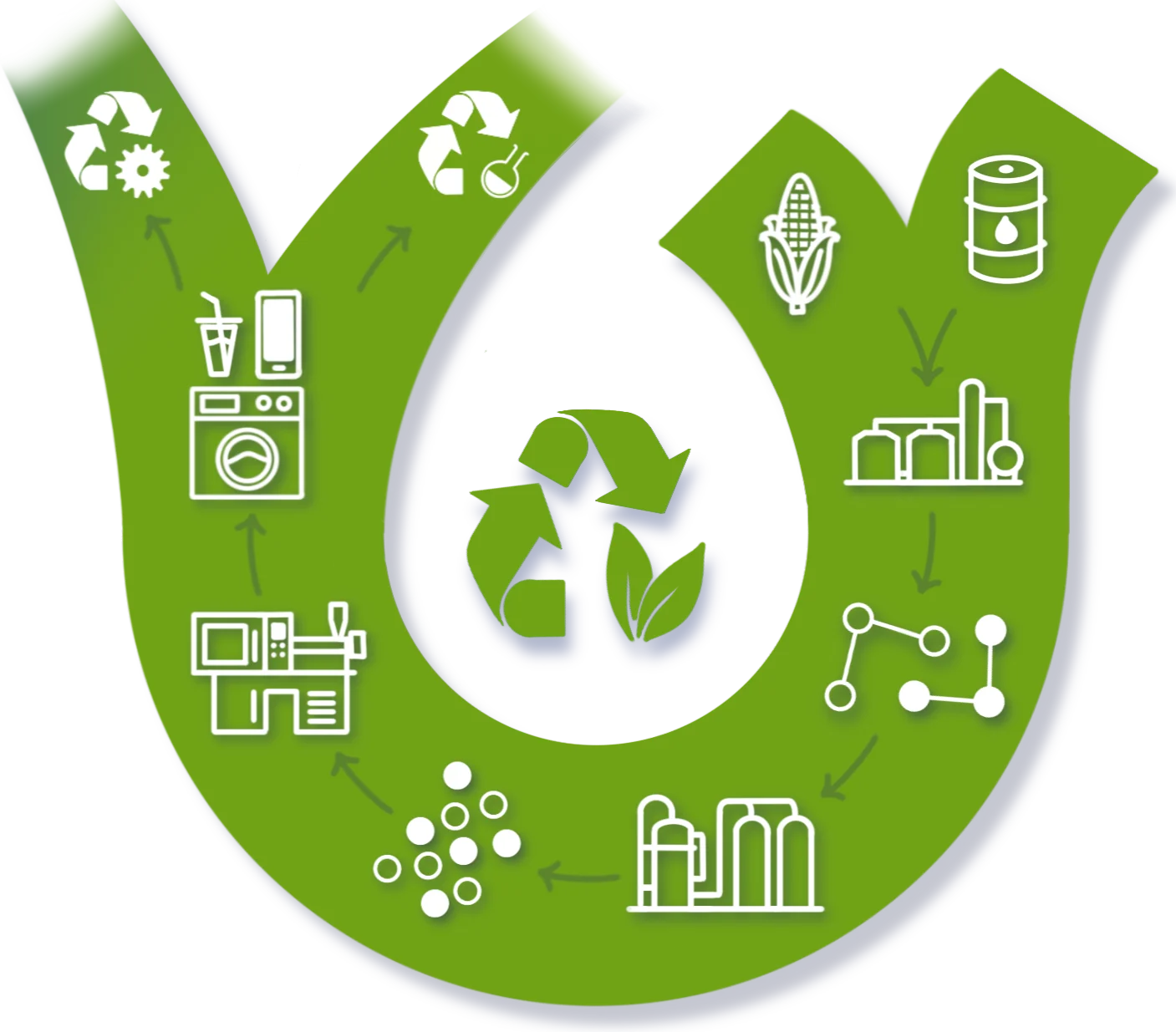
Polymeren op biologische basis worden gemaakt van hernieuwbare grondstoffen. Deze grondstoffen zijn grondstoffen die afkomstig zijn van duurzame en hernieuwbare bronnen, in plaats van traditioneel gebruikte fossiele brandstoffen. Bijvoorbeeld tallolie en bak- en braadolie die bijproducten zijn van de landbouw en de horeca.
De vervanging van bronnen op basis van fossiele brandstoffen door hernieuwbare grondstoffen ondersteunt de circulaire economie en resulteert in polymeren met een aanzienlijke vermindering van de koolstofvoetafdruk, terwijl de kwaliteit van hoogwaardig of nieuw polymeer behouden blijft.
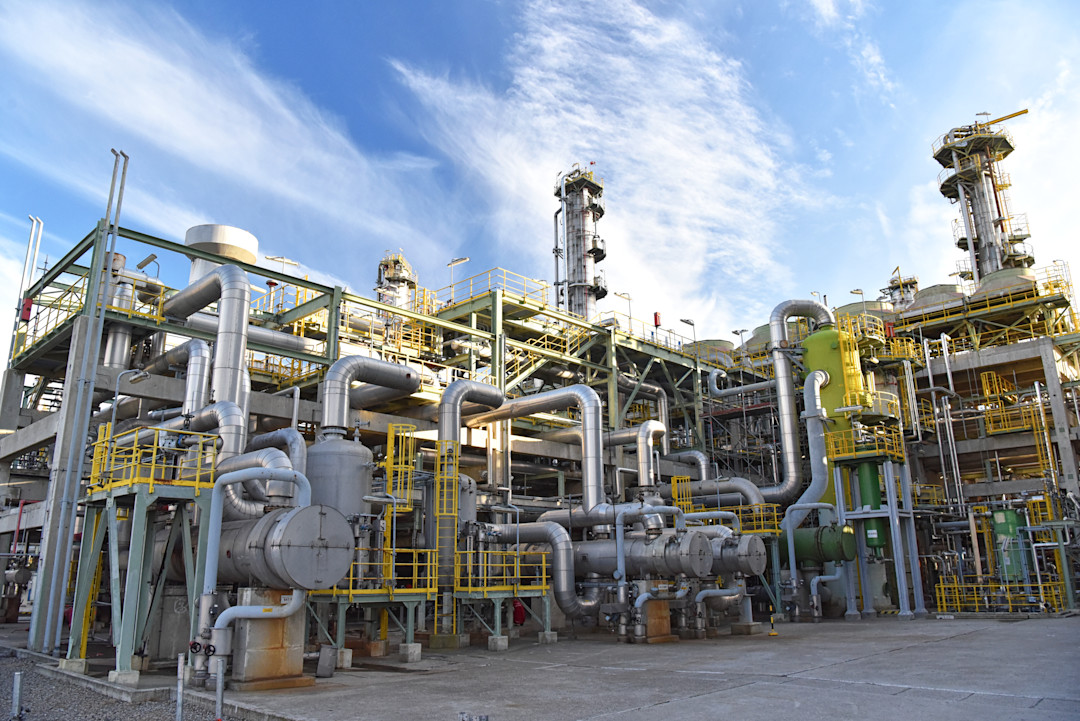
Renewable feedstocks are sent to a chemical plant where they are converted to molecular building blocks for polymers e.g. bio-naptha.
Renewable feedstocks are those derived from renewable biological resources, rather than traditional materials derived from fossil fuels such as natural gas or crude oil. Example sources include:
Renewable and traditional raw ingredients are combined, such as bio-naphtha from renewable sources with traditional naphtha, then repolymerised to make new material. This specific manufacturing process is known as bio-attribution, however, there are many other varieties of bio-based polymer.
The proportion of renewable material in the process is carefully tracked and documented throughout the supply chain (using an independent accreditation such as ISCC).
Het gebruik van hernieuwbare grondstoffen bij de productie van polymeren kan helpen om de koolstofvoetafdruk van een eindproduct te verminderen ten opzichte van die van een product dat gemaakt is van nieuw plastic.

With the mass balance approach, bio-based feedstocks can be used in existing polymer manufacturing processes and provides prime level of quality for use in high-end, demanding applications.

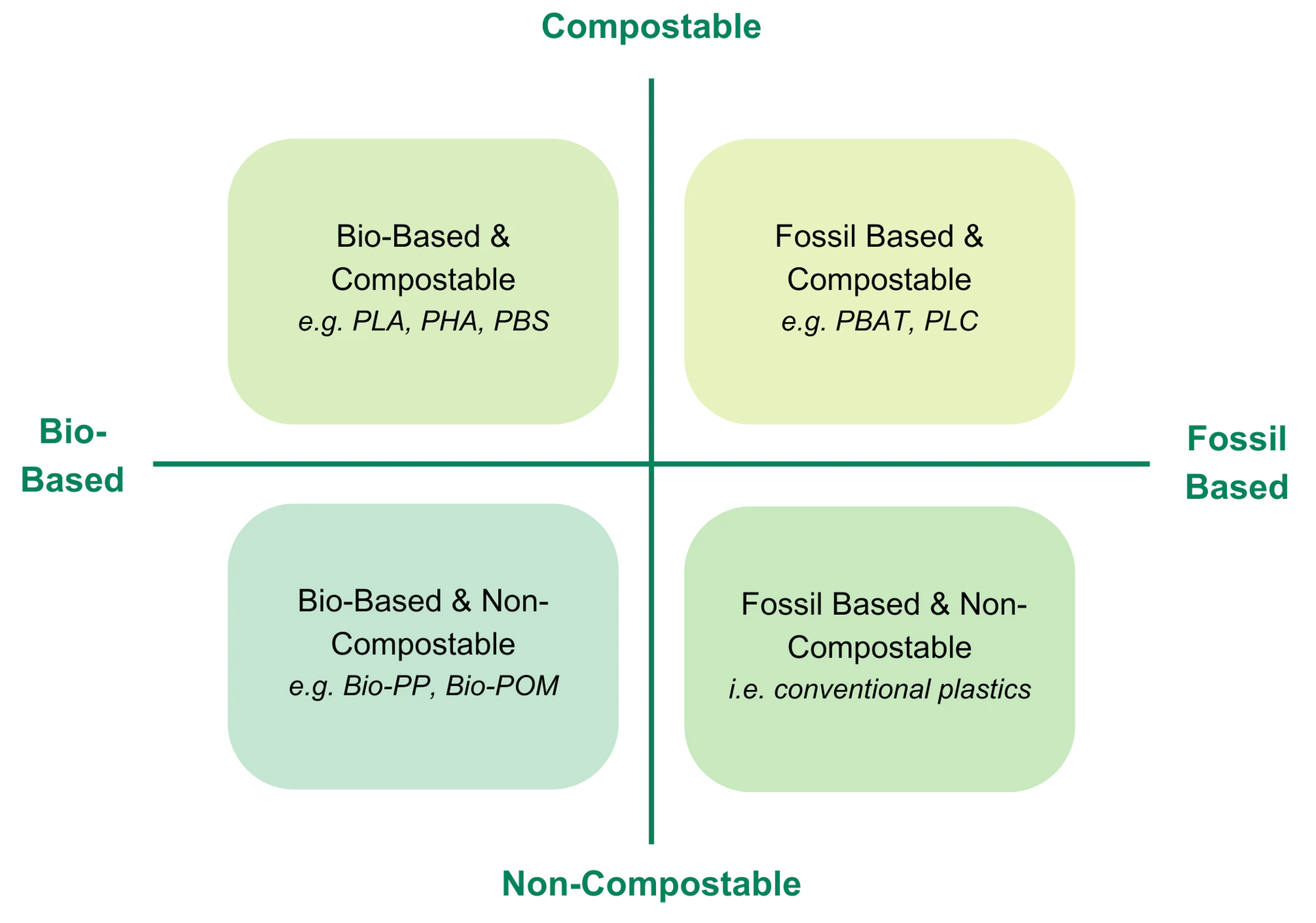
Some biopolymers have the advantage of being biodegradable or compostable. This ability to break down in the natural environment can help to deliver nutrients to soil whilst supporting waste management and responsible disposal.
There are several varieties of bio-based polymer, each offering different sustainable benefits:

Mässans Gata 10, Box 5243
402 24 Gothenburg
Sweden