Pojmovnik održivosti
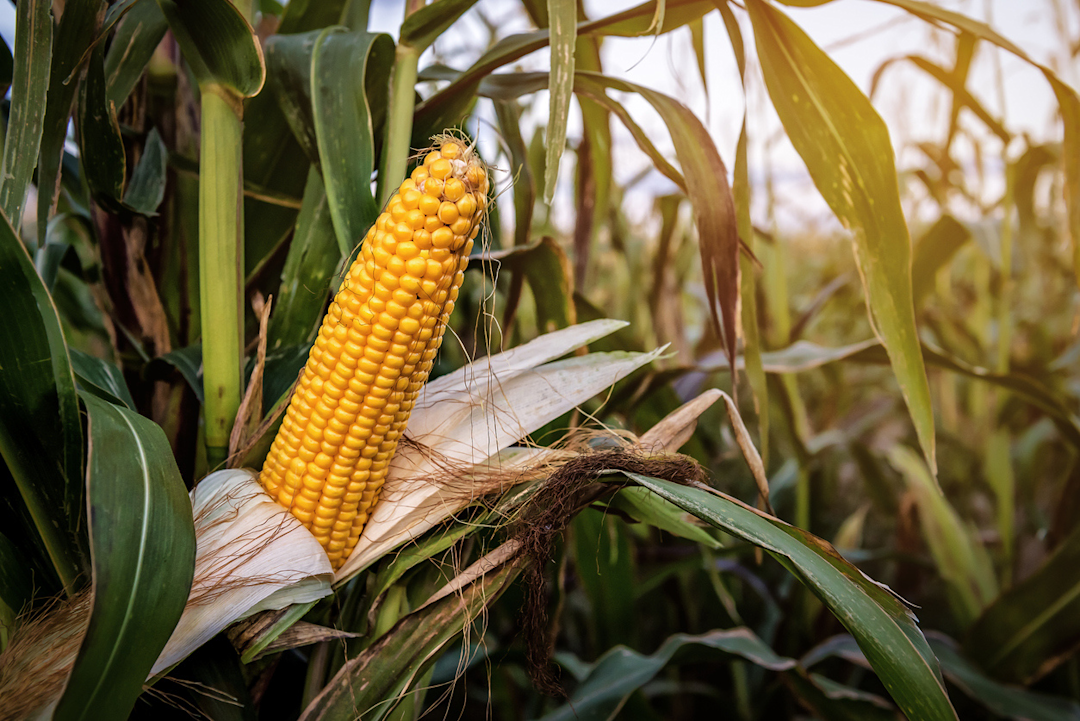
Plastics derived from renewable biomass sources, such as vegetable fats and oils or corn starch, as opposed to fossil-fuel plastics derived from petroleum.
Materials that can be broken down into natural substances like water, carbon dioxide, and biomass by the action of microorganisms within a specified time frame.
The total emissions of greenhouse gases, in carbon equivalent, for an activity or organisation over a specified time period.
Balancing greenhouse gas emissions with an equivalent amount of independently verified carbon offsets. Also referred to as “net zero”.
An activity deemed to reduce overall emissions of greenhouse gases (e.g. land restoration or planting of trees) by purchasing verified carbon credits (also known as offsets) through emissions reduction projects or carbon trading schemes.
An economic system aimed at minimising waste and making the most of resources. This model involves reusing, repairing, refurbishing, and recycling existing materials and products for as long as possible.
A type of biodegradability where the material breaks down completely under composting conditions, resulting in the production of carbon dioxide, water, inorganic compounds, and biomass at a rate similar to cellulose. This can be further categorised into ‘home’ and ‘industrially’ compostable.
A management concept whereby companies integrate social and environmental concerns in their business operations.
An assessment of a partial product lifecycle from resource extraction (cradle) to the factory gate (before it is transported to the consumer). This assessment omits the use and disposal phases of the product.
A full LCA from resource extraction to the final disposal of the product, covering its entire lifecycle.
The process of conveying a false impression or providing misleading information about how a company's products are more environmentally sound. It is a deceptive use of green PR or green marketing.
A technique to assess the environmental impacts associated with all the stages of a product's life, from raw material extraction through materials processing, manufacture, distribution, use, repair and maintenance, and disposal or recycling.
The mass balance model tracks the total amount of sustainable content moving through the production system and ensures an appropriate allocation of renewable content goes into the finished good. The resulting product has an accredited proportion of renewable content which can then be marketed on the finished goods. This is all tracked via auditable bookkeeping and is certified by an independent body such as ISCC.
The result of balancing the amount of greenhouse gases produced in a process by reducing and offsetting the emissions, or implementing methods of absorbing carbon dioxide from the atmosphere.
A biodegradable polyester derived from renewable resources like corn starch or sugar cane. PLA is often used in packaging, disposable tableware, and biodegradable medical devices.
PCR describes material that has been used by consumers and subsequently collected, processed, and recycled into new products after completing its initial usable life.
PIR refers to waste materials recovered from manufacturing and production processes that are recycled back into new products before reaching the consumer.
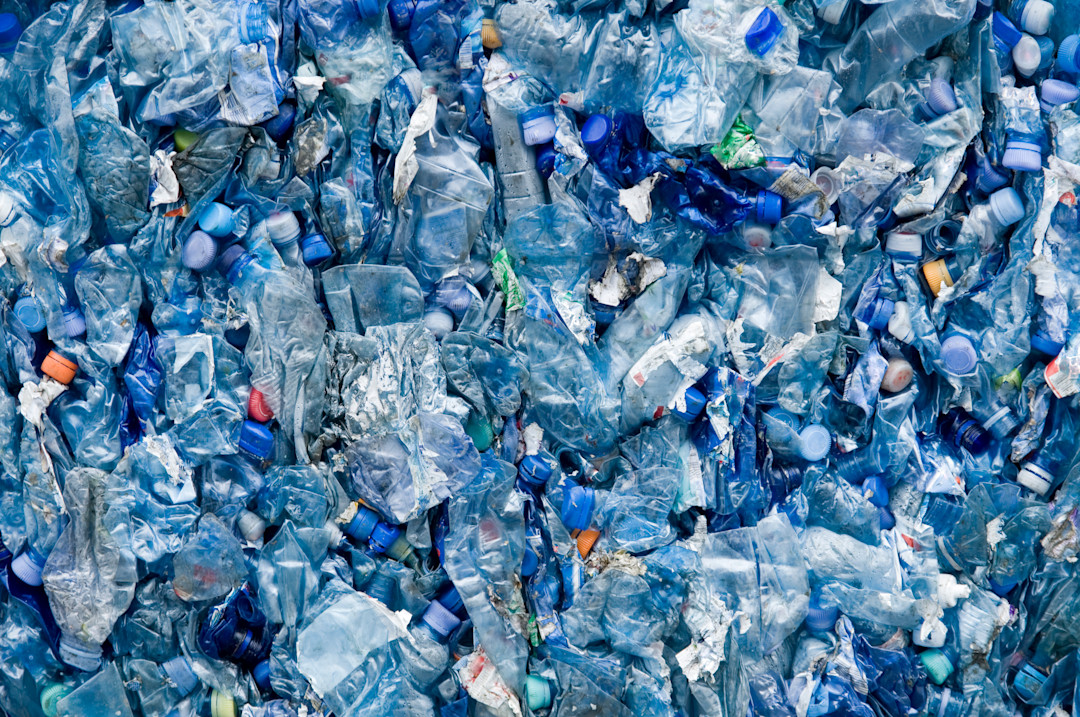
Materials that can be collected, processed, and manufactured into new products after they have been used. This term does not specify the percentage of recycled content; it only means that the material can be converted into a new product.
Natural resources that can be replenished over short periods (as opposed to fossil fuels which take millions of years to form). These are often used in the production of bio-based polymers.
Scope 1 emissions refer to direct greenhouse gas (GHG) emissions stemming from sources controlled or owned by an organisation, such as emissions resulting from fuel combustion in boilers, furnaces, and vehicles.
Scope 2 emissions are indirect GHG emissions associated with the purchase of electricity, steam, heat, or cooling and are the result of the organisations energy use.
Scope 3 emissions are all indirect emissions not included in scope 2, that occur in the value chain of the reporting company, including both upstream and downstream emissions.
Using methods, systems, and materials that won't deplete resources or harm natural cycles. A balance of environmental, social, and economic considerations, ensuring that our actions today do not compromise the ability of future generations to meet their needs.